
No products in the cart.
Public
The psychology behind risk-taking in gambling scenarios
The psychology behind risk-taking in gambling scenarios
The Allure of Risk in Gambling
The excitement associated with gambling often stems from the inherent risk involved in the activity. Risk-taking in gambling scenarios triggers an adrenaline rush that can be both thrilling and addictive. This emotional response plays a crucial role in why many individuals are drawn to games of chance, such as poker and slot machines, where resources like ruby-reels-ca.com enhance engagement. The unpredictability of outcomes fuels a desire to take chances, which can lead to intense feelings of euphoria or despair depending on the results.

Additionally, the thrill of potential rewards can cloud judgment. Gamblers may overlook the odds or the statistical likelihood of losing, focusing instead on the alluring prospect of winning big. This cognitive bias, often referred to as the “gambler’s fallacy,” leads individuals to believe they have control over random outcomes. Such misconceptions can promote continuous play and a willingness to take further risks, ultimately deepening the psychological engagement with gambling.
The social environment surrounding gambling also plays a significant role in risk-taking behavior. Casinos and online gambling platforms often create an atmosphere filled with excitement, music, and vibrant colors designed to enhance the thrill of risk-taking. This sensory stimulation can heighten emotional responses and encourage individuals to engage more deeply in gambling activities, reinforcing their propensity to take risks. In essence, the risk-reward dynamic in gambling is not just about monetary gain but involves a complex interplay of psychological factors and environmental cues.
Several psychological triggers contribute to the propensity for risk-taking in gambling scenarios. One prominent factor is the concept of loss aversion, where individuals feel the pain of losses more acutely than the pleasure derived from equivalent gains. This can lead gamblers to chase their losses, increasing their risk-taking behavior in hopes of recovering what they’ve lost. Understanding this psychological mechanism is vital for recognizing why some individuals may become entrenched in gambling cycles, often leading to detrimental financial consequences.
Moreover, the concept of instant gratification plays a pivotal role in gambling. Players frequently experience immediate rewards, whether it’s winning a small amount or hitting a bonus feature on a slot machine. This instant gratification can create a feedback loop that encourages further risk-taking, as the brain releases dopamine, a neurotransmitter associated with pleasure and reward. Consequently, this can lead to compulsive behaviors, as individuals continuously seek out those short-lived moments of triumph, reinforcing their gambling habits.
The influence of cognitive biases also cannot be understated. Gamblers often fall prey to overconfidence, believing they possess skills or knowledge that will help them beat the odds. This overestimation of one’s ability can lead to increased risk-taking, as players may choose to bet larger amounts than they typically would. Additionally, the illusion of control, where individuals believe they can influence random events, further compounds this tendency. These psychological triggers create a perfect storm for risk-taking behaviors to flourish within gambling scenarios.
Social dynamics significantly influence risk-taking behavior in gambling contexts. When individuals gamble in groups or social settings, peer pressure can encourage more daring bets and riskier choices. The presence of friends or fellow players often magnifies emotions, leading to a shared excitement that can enhance the thrill of the gamble. This communal experience can create an environment where individuals feel compelled to take risks they might avoid when playing alone.
Moreover, social validation plays a critical role. Individuals may look to others for cues on acceptable risk levels, often pushing boundaries in response to the behaviors of their peers. The fear of missing out, or FOMO, can also drive people to engage in more risk-taking activities. This competitive aspect of gambling can lead to impulsive decisions that prioritize social acceptance over individual judgment, further exacerbating the tendency to gamble recklessly.
The impact of online gambling communities cannot be overlooked either. In virtual environments, players may feel emboldened to take risks due to the anonymity offered by the internet. The lack of face-to-face interaction can make it easier for individuals to overlook the risks associated with their choices. Additionally, online platforms often utilize social features, such as leaderboards and achievements, which can spur individuals to take greater risks to enhance their social standing within the community. This interwoven social fabric can significantly amplify risk-taking behaviors in gambling settings.
Neurological factors significantly impact risk-taking behavior in gambling scenarios. Research indicates that certain brain regions are activated when individuals engage in gambling, particularly those associated with reward processing, motivation, and decision-making. The release of neurotransmitters, like dopamine, during a gamble can create feelings of pleasure, reinforcing the desire to engage in further risky behavior. Understanding these neurological responses can shed light on why certain individuals become drawn to gambling and why they may struggle to control their impulses.
The relationship between the brain’s reward system and risk-taking behavior is complex. For some individuals, particularly those with predispositions for addictive behavior, gambling activates pathways that enhance the desire for risk. This neurological response can lead to an inability to resist the urge to gamble, even when it results in negative consequences. The brain’s wiring in these cases can create a cycle of addiction that makes it increasingly difficult for individuals to step away from the gambling table.
Additionally, factors such as stress and emotional well-being can influence gambling behavior on a neurological level. Individuals may turn to gambling as a form of escapism, seeking comfort in the thrill despite the risks involved. The decision to gamble often becomes intertwined with emotional states, leading to a pattern of risk-taking that serves as a coping mechanism. By recognizing these neurological factors, individuals can better understand their risk-taking behaviors and the psychological roots of their gambling habits.
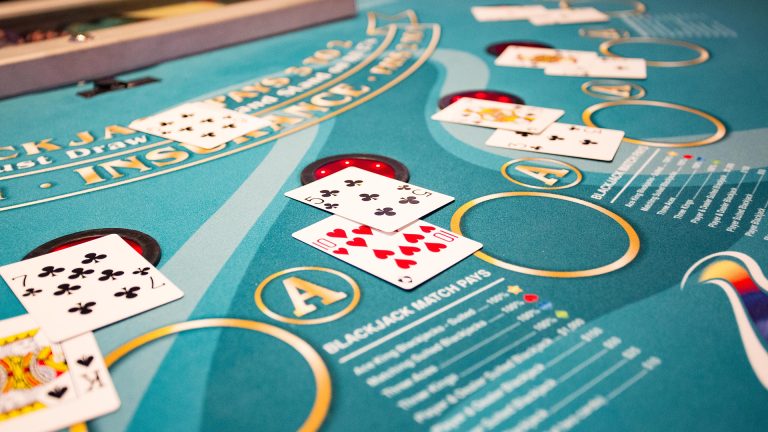
For those looking to explore the world of gambling, Ruby Reels Casino offers a welcoming environment tailored for beginners. With an attractive welcome package of up to $5,000 and 200 free spins, new players can easily immerse themselves in the gaming experience without feeling overwhelmed. This generous approach allows individuals to explore various games, from slots to live dealer options, creating a foundation for enjoyable and responsible gambling.
Moreover, Ruby Reels Casino emphasizes a safe and engaging environment for players. The site features a variety of promotions designed to enhance the user experience, ensuring that new players feel valued and supported as they navigate their gambling journey. This focus on customer satisfaction helps foster a healthy relationship with gambling, encouraging users to play responsibly while maximizing their enjoyment.
In summary, Ruby Reels Casino not only provides a thrilling gaming experience but also recognizes the psychological aspects of risk-taking in gambling. By understanding the motivations behind gambling behaviors, players can approach their gaming with awareness and responsibility. Whether you’re a seasoned player or a beginner, Ruby Reels Casino is committed to offering a fun and safe atmosphere for all gaming enthusiasts.
“`